The Magic Is in the Algorithm: How AI, AR, and IoT Are Rewiring Theme Parks for the Ultimate Interactive Escape
Step into Universal Orlando’s Epic Universe in 2026, and the monsters don’t just chase you—they know you. A holographic Dracula might pause mid-monologue to reference the last ride you screamed on, while your wristband quietly logs your heart rate and queues up a personalized cooldown in a gothic lounge. This isn’t a scripted show. It’s the new baseline for theme-park storytelling, powered by emerging tech that turns passive visitors into co-authors of their own adrenaline-fueled narratives.
The numbers tell the story. Global theme-park attendance for the top 25 parks hit nearly 246 million in 2024, up 2.4% year-over-year as post-pandemic travel normalized. The broader market—valued around $80 billion in 2026—is on track to reach $126–130 billion by the mid-2030s, growing at a steady 5–6.4% CAGR. What’s fueling the surge? Not bigger coasters, but smarter ones. Operators are pouring billions into interactive, data-driven experiences that blend physical thrills with digital intimacy. Immersive location-based entertainment (LBE) is exploding at nearly 30% CAGR through 2033, while VR-heavy attractions are outpacing the pack.
AI: Your Personal Imagineer
Artificial intelligence has moved from back-end queue management to front-and-center performer. Generative AI now crafts hyper-personalized journeys in real time. Disney’s evolving Genie+ system uses AI to optimize routes, suggest rides based on past behavior, and even tweak show timings. Six Flags rolled out “Missi Six,” a generative-AI digital concierge that chats with guests via app, answering questions and nudging them toward under-visited attractions.
Purdue experts note that while Universal’s Epic Universe represents a leap in tech-forward design, AI in themed entertainment is still scaling—expected to mature significantly between 2026 and 2027. The payoff? Data from operators shows interactive, AI-personalized experiences boost guest dwell time by up to 35% and lift average non-ticket spend (currently hovering around $42 per day).
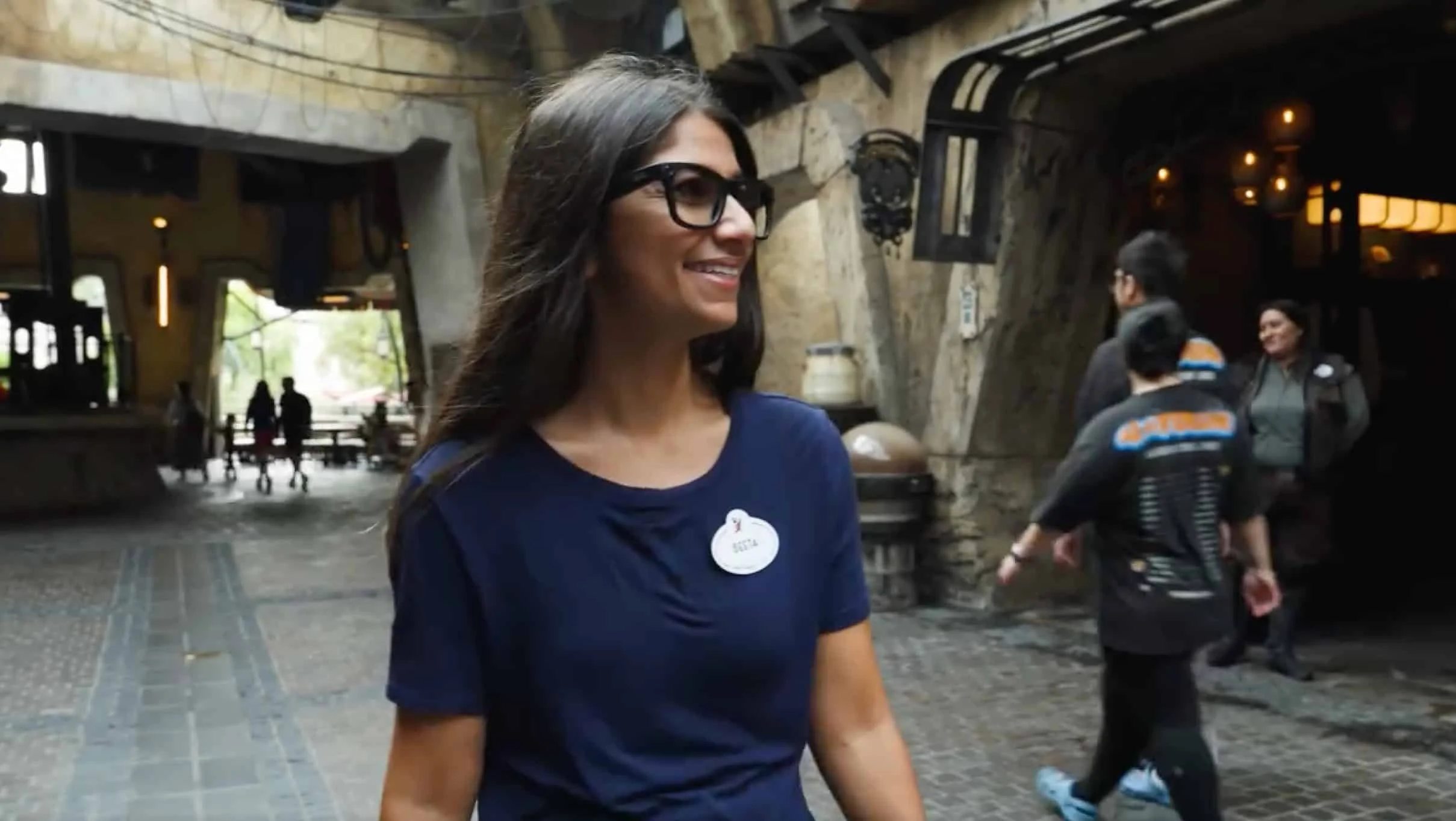
Meta AI Display Glasses at Star Wars: Galaxy’s Edge land within Disneyland
XR and Mixed Reality: The Park Is the Game
Forget clunky headsets that isolate you from your crew. 2026 is the year of seamless mixed reality (XR). AR overlays turn queues into scavenger hunts, rides into adaptive stories, and entire lands into living video games. Meow Wolf’s partnerships with Niantic Spatial bring AR expansions to its surreal installations, while DreamPark is building what it claims will be the world’s largest XR theme park.
Projection mapping and high-res LED environments are merging the physical and digital without requiring guests to strap anything on. Panasonic’s latest projectors power dark-ride simulators and customizable 3D mapping experiences where riders design their own race-car livery in real time and see it projected instantly. Universal’s CineSational show syncs drones, fountains, and adaptive projections into a spectacle that feels different every night.
Holographic tech is going mainstream too. BASE Xperiential’s HoloTheater and ABBA Voyage-style avatars create glass-free, glasses-free immersion that parks are now layering into attractions and even retail spaces.
IoT Wearables and Smart Infrastructure: The Park Knows You’re Here
The humble wristband has evolved into a full-fledged game controller. Disney’s MagicBands and Universal’s Power Up Bands already let guests collect coins, unlock doors, and trigger effects. In 2026, IoT ecosystems go deeper: real-time sensors track crowd flow, predict bottlenecks, and feed data back into AI systems for instant personalization. Landmark Forest Adventure Park uses them for hyper-local visitor tracking; Yas Island’s FacePass facial-recognition system handles entry, payments, and ride access across multiple parks.
Checkout-free shops using Amazon Just Walk Out tech and RFID are becoming standard, slashing friction so guests spend more time playing and less time queuing.
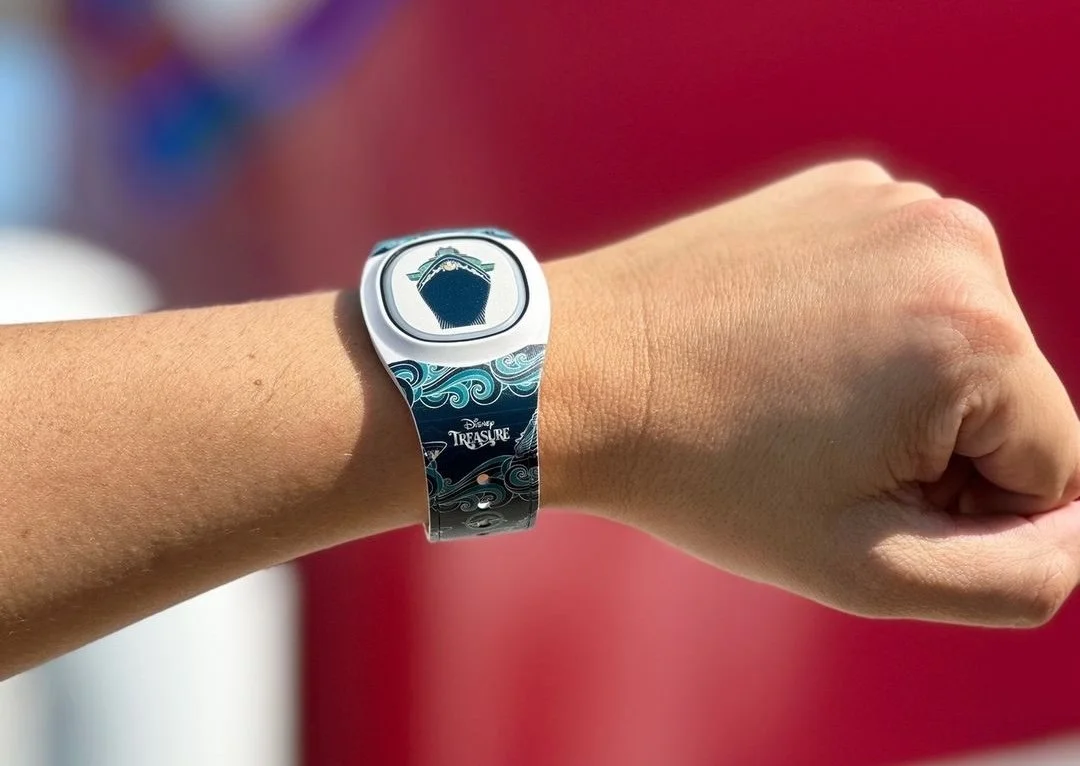
Disneyland Magic Band+
Robotics: Characters That Actually Care
Animatronics have leveled up. Disney Imagineers are deploying bipedal BDX droids with personality algorithms that respond to guest cues, while robotic Olaf in World of Frozen Paris uses reinforcement learning to emote in real time. Museums are testing AI-powered robots that converse like historical figures; theme parks are next. Dronisos autonomous drones perform synchronized aerial-water shows that adapt to audience energy.
What Consumers Actually Want
The 2025 Leisure Experiences Consumer Survey and broader industry data paint a clear picture: Gen Z and millennials—now the core spending demographic—are chasing shared, shareable, personalized thrills. They want experiences that feel bespoke yet social. AR scavenger hunts, choice-driven narratives, and tech that remembers them across visits check every box. Nostalgia plays a role too (1980s/90s IP revivals are booming), but only when laced with interactive tech.
Sustainability and wellness are rising as secondary draws—AI-monitored eco-exhibits, tech-enabled sensory saunas—but the real magnet remains interactivity. Parks that deliver it see higher repeat visits and social-media amplification that traditional rides can’t match.
The Road Ahead
Challenges remain: data privacy, accessibility for non-tech-savvy guests, and the risk of tech fatigue. Yet the trajectory is unmistakable. Theme parks are no longer selling tickets to rides—they’re selling subscriptions to living, breathing digital worlds where every visit writes a new chapter.
By 2030, the line between “theme park” and “immersive phygital playground” will have vanished. The operators who win won’t be the ones with the tallest coaster. They’ll be the ones whose parks feel like they were built just for you—even when 17 million other people walk through the gates that year.
The future isn’t coming to theme parks. It’s already wearing a wristband, scanning your face, and asking if you’d like the story to get a little darker this time.