The Strategic Battle for Generations Z and Alpha Through Theme Parks and Virtual Worlds
This blog was originally posted on my LinkedIn Newsletter: The Remarkable
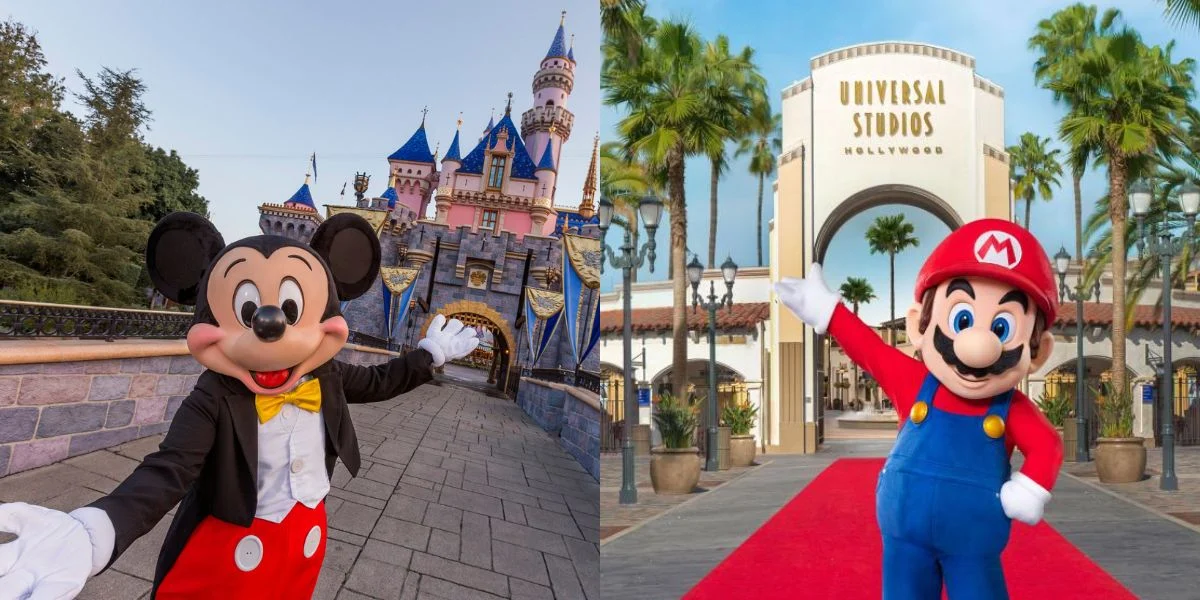
In the evolving battle for the hearts, minds, and wallets of Generations Z and Alpha, entertainment giants Universal Studios and Disney are charting divergent paths. Universal Studios is doubling down on immersive physical experiences, exemplified by its bold venture into the Universal Kids Resort in Frisco, Texas. Meanwhile, Disney is making a strategic pivot towards the digital frontier, marked by a staggering $1.8 billion investment into Epic Games, the powerhouse behind the cultural phenomenon Fortnite. This article delves into the contrasting strategies of these entertainment behemoths, offering an analysis of the implications of their moves and why Universal's commitment to physical experiences might be the shrewder bet in the long run.
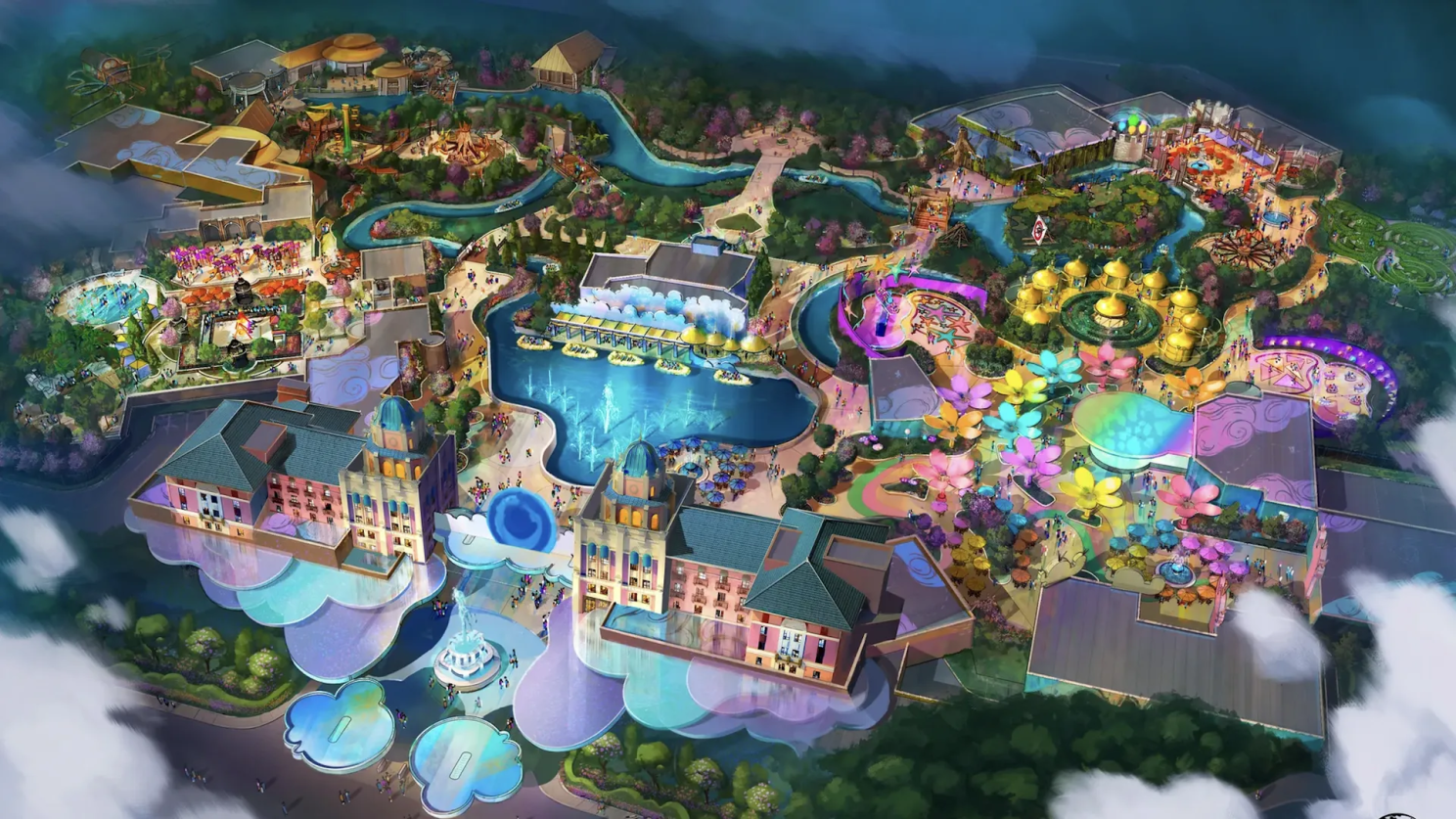
Universal Studios' Physical Prowess: Universal Kids Resort, Texas
Slated for a grand opening in 2026, the Universal Kids Resort in Frisco is Universal Studios' latest salvo in the theme park arena. This pioneering project is described as a "smaller-scale theme park to inspire the unbridled creativity of kids through play, discovery, and imagination," unlike anything in Universal's current portfolio, which includes adrenaline-pumping attractions in Orlando and Hollywood. The park will feature attractions like pint-sized roller coasters and immersive themed lands, possibly including a Barbie-themed area. Universal is banking on the physicality of these experiences to create lasting memories that resonate deeply with families.
The financial commitment to the Universal Kids Resort underscores Universal's belief in the enduring appeal of physical theme parks. With a $12.7 million incentive package from the city of Frisco, the project is a significant economic undertaking, promising to add value to the local community through job creation and tourism. This move is aligned with Universal's broader strategy to diversify its theme park offerings and tap into the younger demographic from an early age, setting the stage for lifelong brand loyalty.
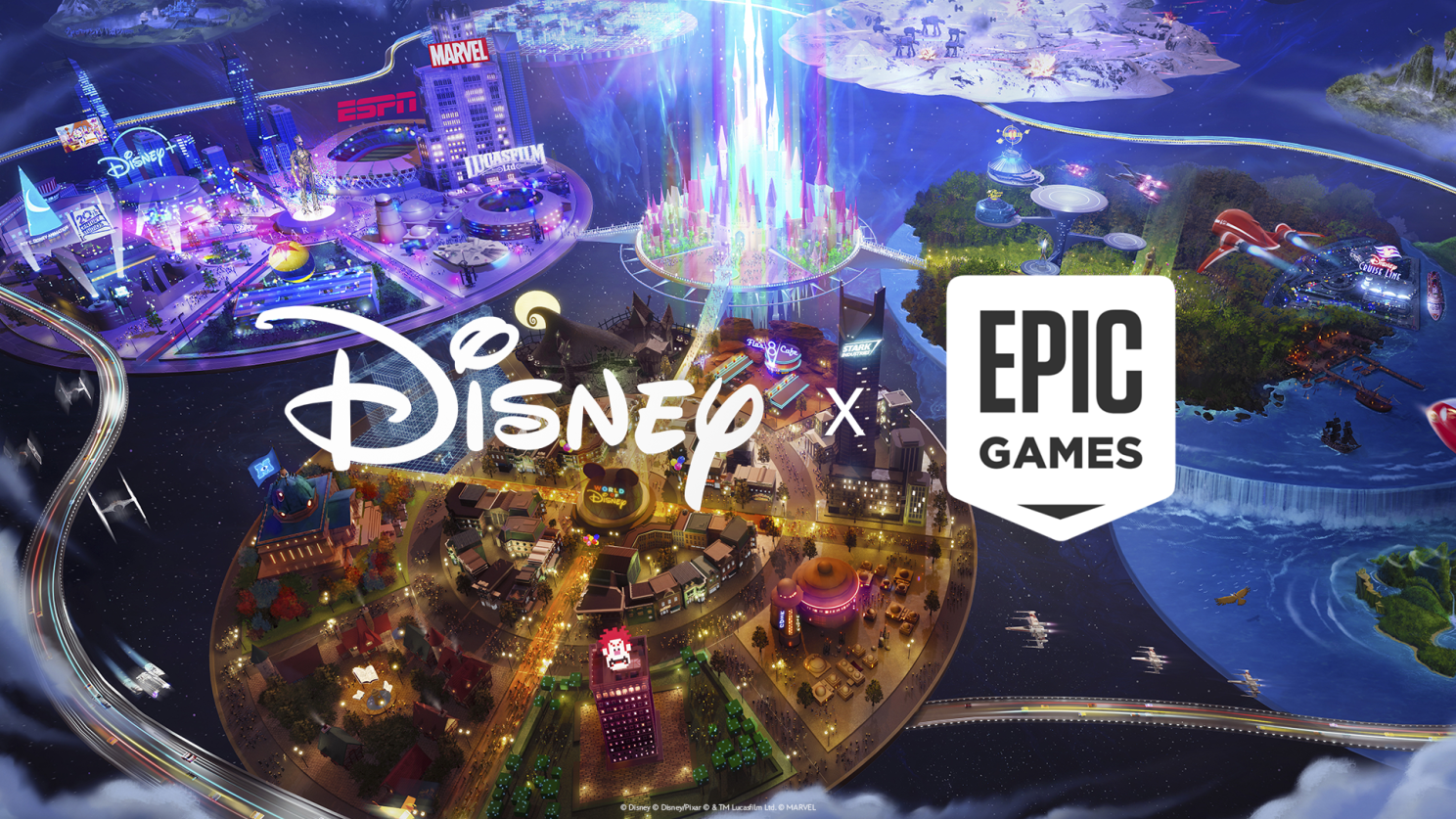
Disney's Digital Gamble: A $1.8 Billion Investment in Epic Games
Conversely, Disney's substantial investment in Epic Games signifies a strategic shift towards leveraging the explosive growth of the gaming industry. This partnership with Epic Games, known for transcending gaming into social and creative realms with Fortnite, represents a forward-looking approach to capturing the imaginations of digital natives. Disney's strategy is to integrate its storied franchises into the gaming world, offering new interactive experiences that extend beyond the traditional confines of theme parks and television screens.
The investment in Epic Games is not just about tapping into an existing audience but also about shaping the future of entertainment. By embedding its characters and narratives into the fabric of digital platforms, Disney is positioning itself at the forefront of virtual experiences. This move acknowledges the shifting consumption patterns of younger audiences, who are increasingly spending their leisure time in digital universes.
Analysis and Implications
The contrasting approaches of Universal and Disney highlight a fundamental question about the future of entertainment: Will physical or digital experiences prevail? Universal's investment in the Universal Kids Resort is a bet on the timeless allure of physical experiences and the unique value of real-world interactions. In contrast, Disney's pivot towards digital suggests a belief that virtual worlds will become the primary playgrounds of future generations.
Universal's focus on immersive physical experiences, particularly for children, is a strategic move that capitalizes on the developmental benefits of physical play and the family bonding that theme parks facilitate. This approach might give Universal a competitive edge in creating deeply emotional and memorable experiences that virtual platforms struggle to replicate fully.
Gen Alpha will tire of living online
Members of the youngest generation may have a role model in their slightly older peers when it comes to pushing back against an all-enveloping digital world. Globally, the amount of time people spent on social media declined, opens new tab year-over-year in 2023 for the first time since the consumer research firm GWI started tracking it in 2012, according to its latest survey of over 950,000 internet users. Gen Zers, born between 1997 and 2007, are at the forefront of the shift. One-third of those surveyed said they were actively trying to limit their usage of such platforms, seeking out hobbies and friendships in the physical world instead.
Read More Here - Gen Alpha will tire of living online
Universal's Strategic Edge
As Disney concedes the realm of immersive physical experiences to Universal, the latter's investment in the Universal Kids Resort appears not only as a commitment to its core competencies but also as a visionary move. In a world where digital distractions are omnipresent, the allure of tangible, interactive experiences could offer a much-needed counterbalance, drawing families into Universal's meticulously crafted worlds.
While the digital transformation of entertainment is inevitable, Universal's strategy underscores the enduring value of physical experiences in building deep, lasting connections with audiences. As both giants navigate the preferences of Generations Z and Alpha, Universal's bet on immersive physical experiences might just prove to be the smarter move, offering a sanctuary of creativity and play in an increasingly virtual world.