The Power of Transmedia Storytelling: Blurring Boundaries and Engaging Audiences
This blog was originally posted on my LinkedIn Newsletter: The Remarkable
Transmedia storytelling is a dynamic narrative technique that has revolutionized the way stories are told, experienced, and consumed in the digital age. By seamlessly expanding a story across multiple media platforms, creators can captivate audiences in new and exciting ways, fostering deeper engagement and connection. In this article, we'll explore the concept of transmedia storytelling and provide five compelling examples that showcase its creative potential.
Understanding Transmedia Storytelling
Transmedia storytelling is the art of conveying a story or narrative experience across a variety of media platforms, each contributing unique content that enriches the overall narrative universe. Unlike traditional storytelling that relies solely on a single medium (e.g., a book, movie, or TV series), transmedia storytelling utilizes a combination of mediums, such as books, films, television, video games, websites, social media, and even real-world events to create a more immersive and interconnected narrative.
Key Elements of Transmedia Storytelling:
Narrative Expansion: Transmedia stories expand the central narrative by providing additional details, perspectives, and character development through various media.
Participation and Interaction: Audiences are encouraged to actively engage with the story, contributing to its evolution or exploring different aspects of the narrative through different media channels.
Coherence: The various media components maintain consistency in terms of characters, plot, and themes, ensuring a coherent and unified storytelling experience.
Uniqueness: Each medium contributes something distinctive to the narrative, making it worthwhile for audiences to explore multiple platforms.
Now, let's dive into five fascinating examples of transmedia storytelling:
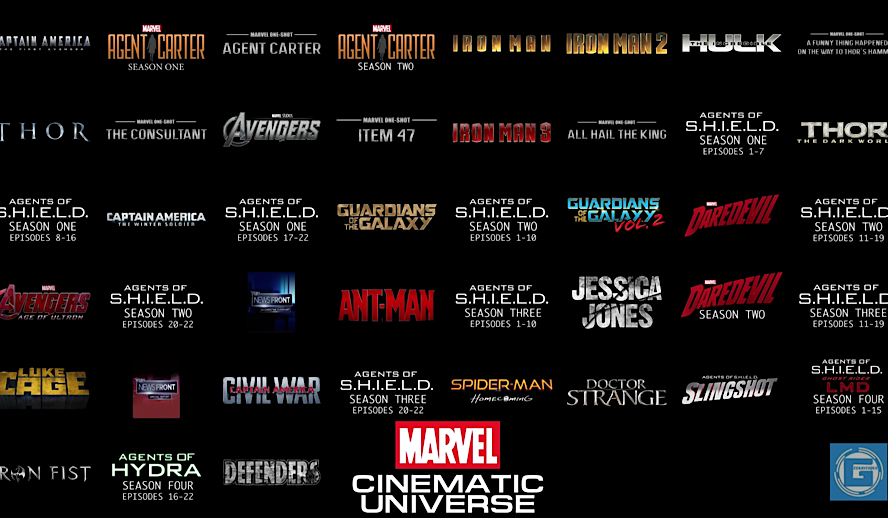
The Marvel Cinematic Universe (MCU)The MCU is a prime example of transmedia storytelling, where characters and storylines from comic books, films, television series, and online content intertwine to create an expansive and interconnected superhero universe. Audiences can follow their favorite characters and story arcs across various mediums, enhancing their immersion in the Marvel world.
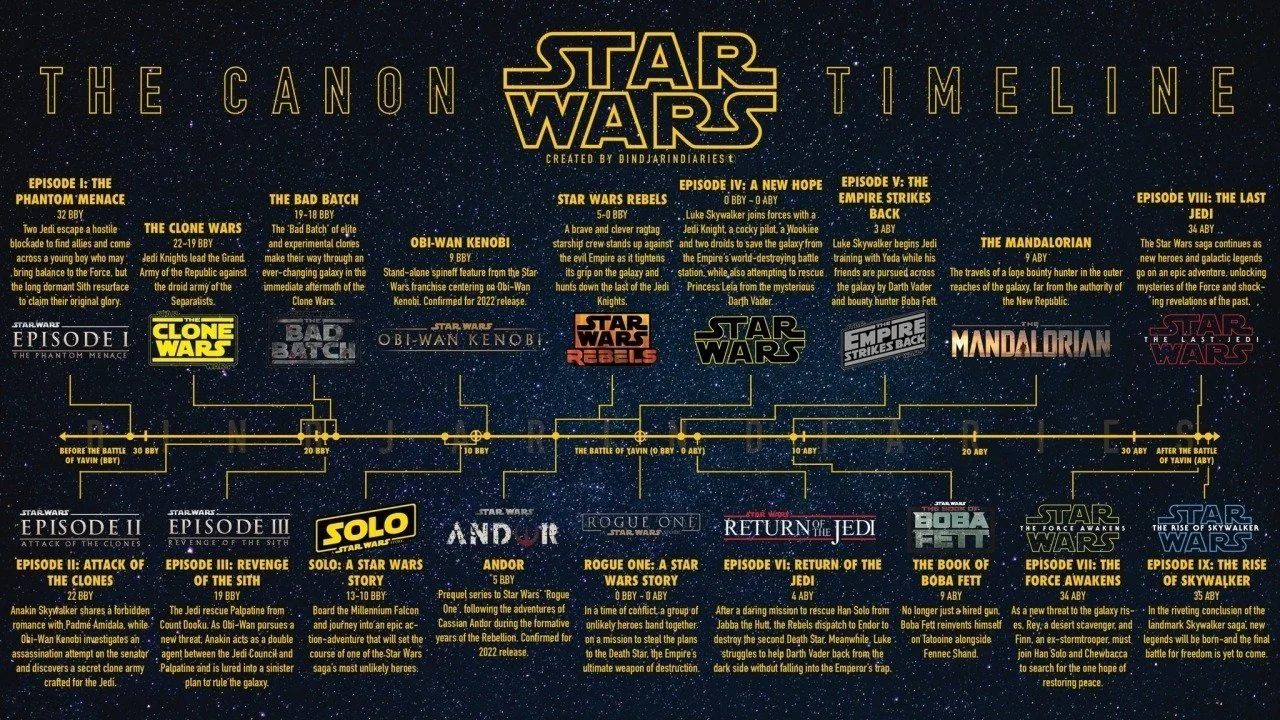
Transmedia Franchise: "Star Wars""Star Wars" is a legendary transmedia franchise that spans movies, TV series, novels, video games, comics, theme park attractions, and merchandise. Fans can explore the rich "Star Wars" galaxy through a multitude of media, each offering a unique perspective and storytelling experience.
"The Matrix"The "Matrix" franchise extended its story beyond the films with animated shorts, video games, and comics, deepening the exploration of its dystopian world and philosophical themes. These additional media provided fans with a more comprehensive understanding of the Matrix universe.
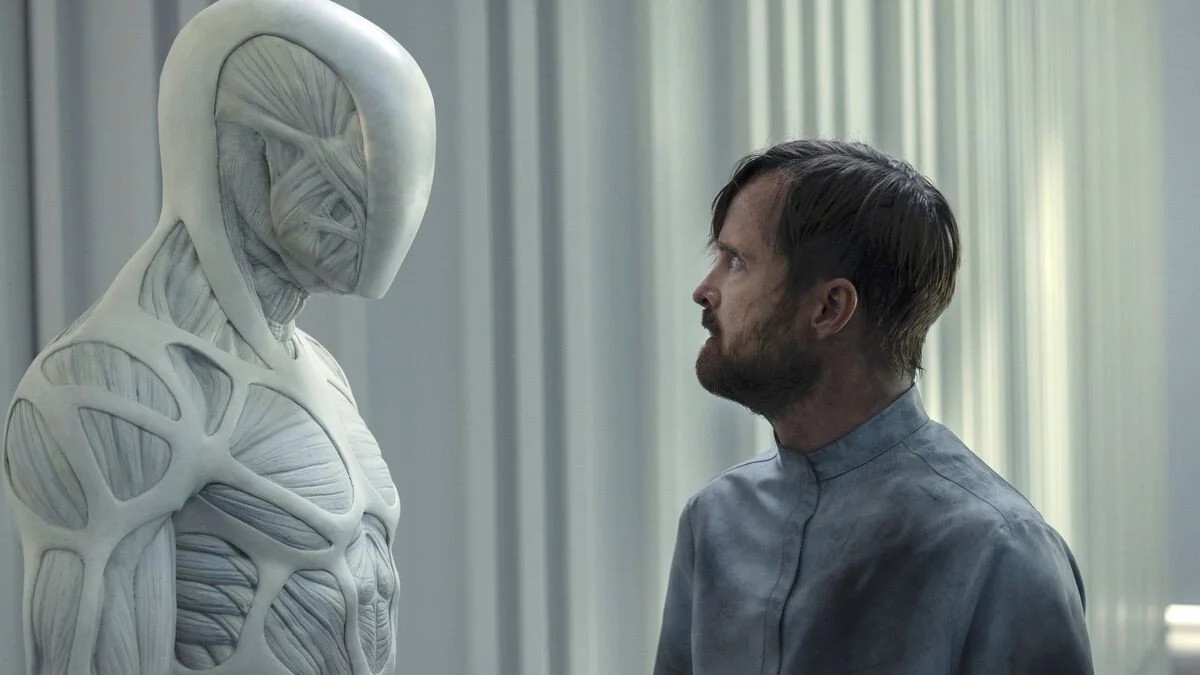
"Westworld" HBO's "Westworld" series utilized transmedia storytelling to engage audiences on a deeper level. In addition to the TV show, there were websites, apps, and ARGs (Alternate Reality Games) that allowed viewers to uncover hidden narratives, puzzles, and clues, blurring the line between fiction and reality.
"Pokémon""Pokémon" has been a pioneer in transmedia storytelling, starting as a video game and expanding into an animated TV series, trading card game, movies, merchandise, and mobile apps. Each medium contributes to the lore and world-building, making "Pokémon" a beloved and enduring franchise.
Transmedia storytelling has evolved storytelling from a passive experience into an interactive and immersive journey for audiences. By seamlessly weaving narratives across diverse media, creators can captivate, engage, and empower audiences to become active participants in the storytelling process. As technology continues to advance, transmedia storytelling will undoubtedly play an increasingly significant role in shaping the future of storytelling across various industries.